01.
How much does a rooftop solar power plant cost in Kerala?
Indicative Emerald prices for residential on-grid plants after the ₹78,000 PM Surya Ghar subsidy are about ₹1,22,000 for 3 kW, ₹2,37,000 for 5 kW and ₹3,62,000 for 7 kW. Prices include panels, inverter, galvanised structure, earthing, lightning arrester, ACDB/DCDB, cabling, net-meter liaison and commissioning. Hybrid and off-grid systems cost more because of the battery. The final price is confirmed after a free site survey.
03.
What size solar power plant do I need for my home?
Check the units on your last few KSEB bills and divide the monthly average by about 117 (what 1 kW generates in a month in Kerala). A home using 350 units a month needs about 3 kW; 585 units needs 5 kW. Add about 2 kW if you plan to buy an electric car. Use the calculator on this page or book a free site survey for an exact size.
05.
Which is better: on-grid, off-grid or hybrid solar?
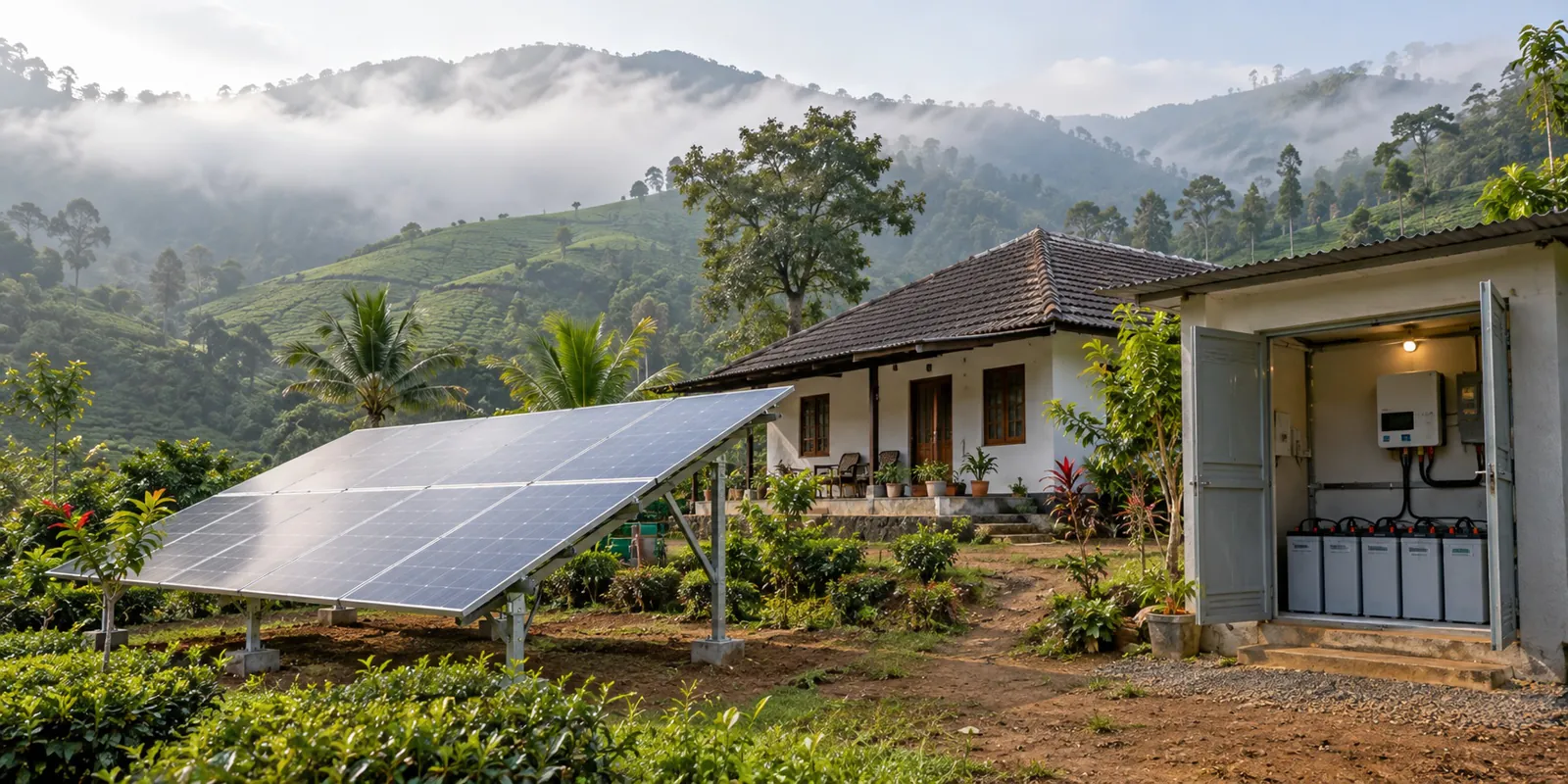
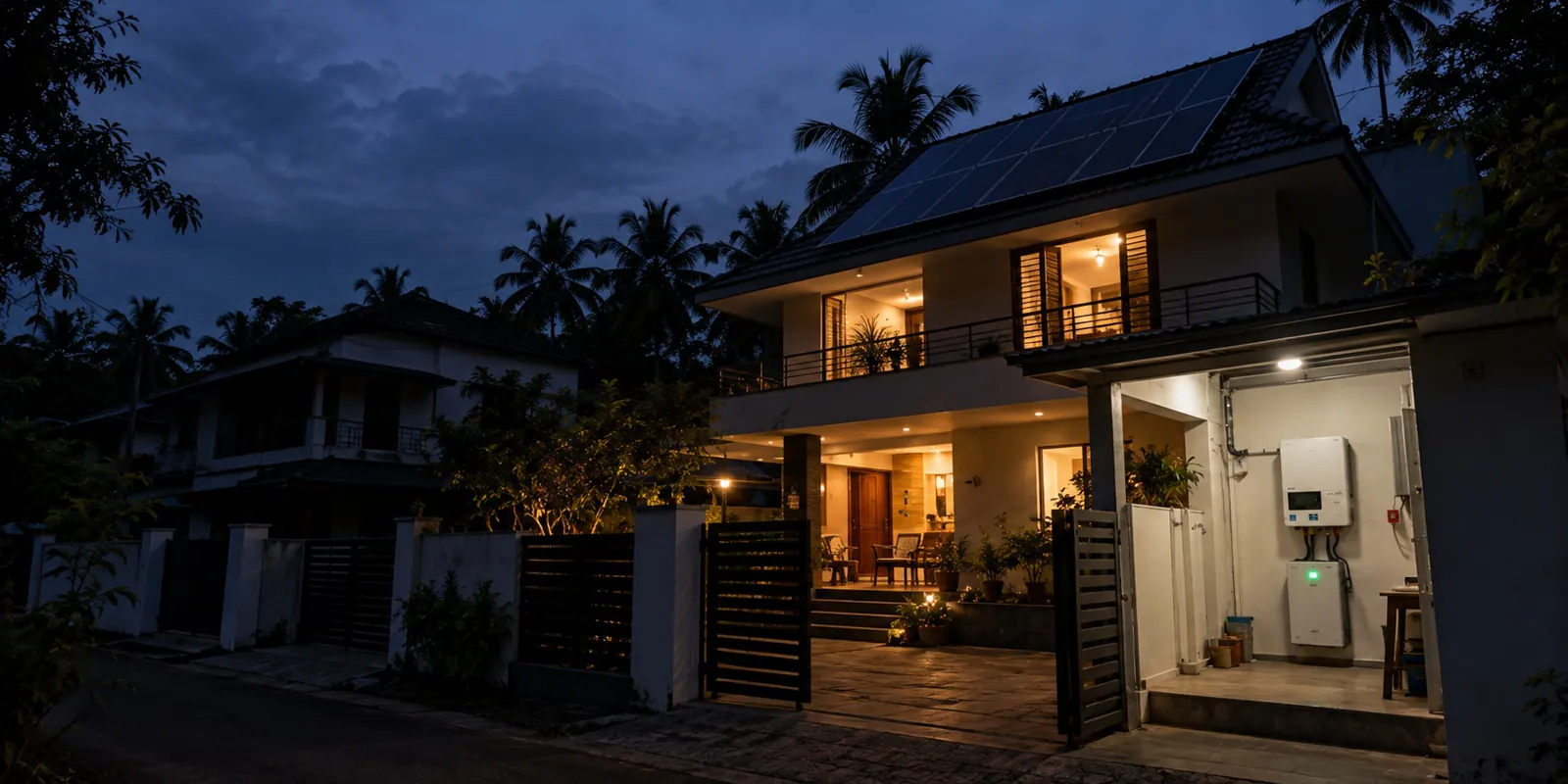
On-grid is the cheapest, pays back fastest and gets the subsidy, but it switches off during power cuts. Off-grid runs entirely on batteries and suits sites without a reliable grid. Hybrid combines net metering with a battery, so it saves money and keeps your home running through outages. Most Kerala homes with a stable supply choose on-grid; homes with frequent outages or an EV choose hybrid.
07.
Does solar work during the monsoon and on cloudy days?
Yes. Panels generate from daylight, not heat, so they keep producing on cloudy days at reduced output. Monsoon months generate less and summer months generate more; our generation estimates use the yearly average for Kerala, so your annual savings already include the rainy season.
09.
How does KSEB net metering work?
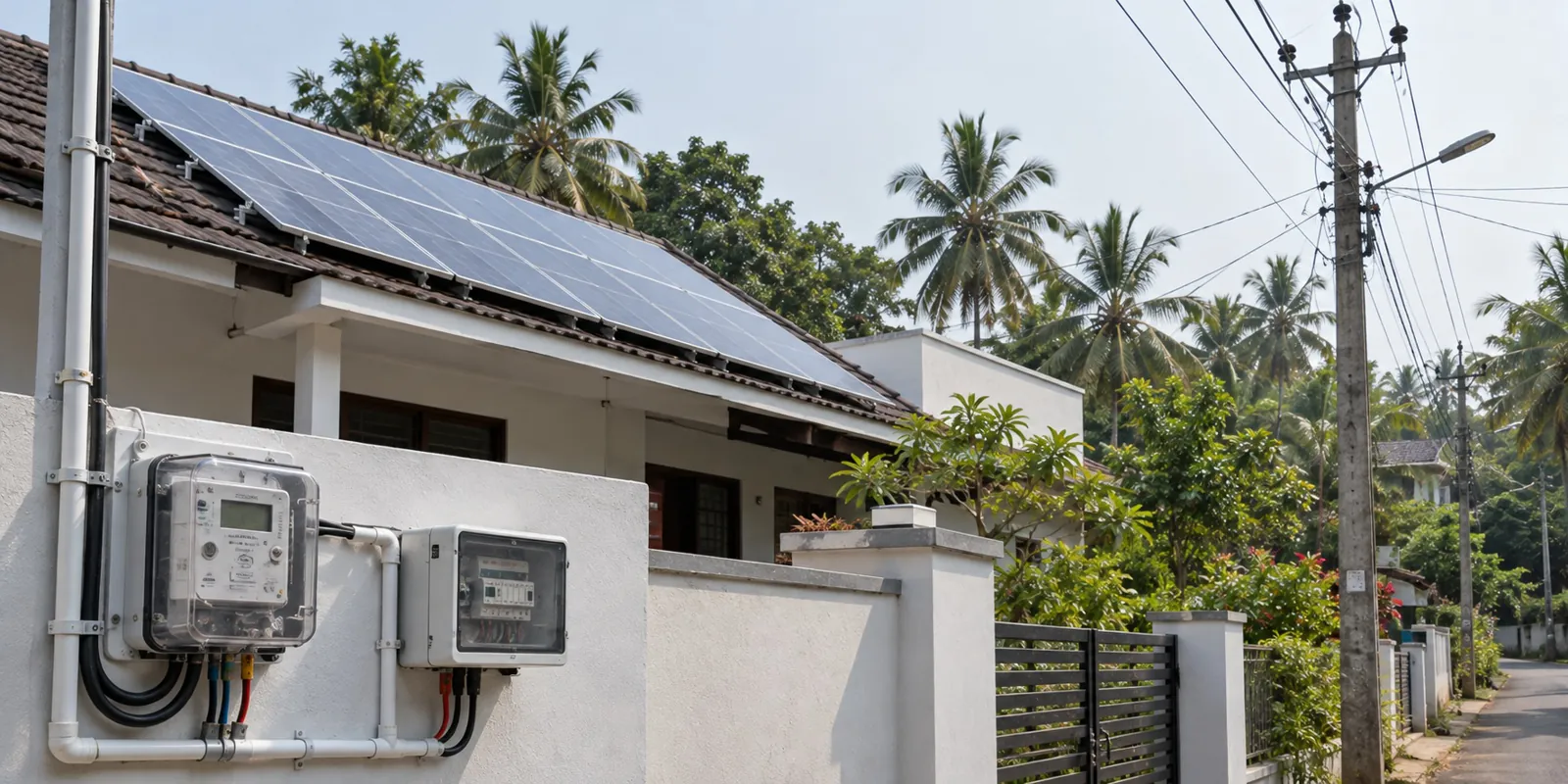
A bi-directional net meter records units you export to the grid during the day and units you import at night. Your bill is based on import minus export. Emerald handles the KSEB feasibility study, net-meter application and paperwork for you.
11.
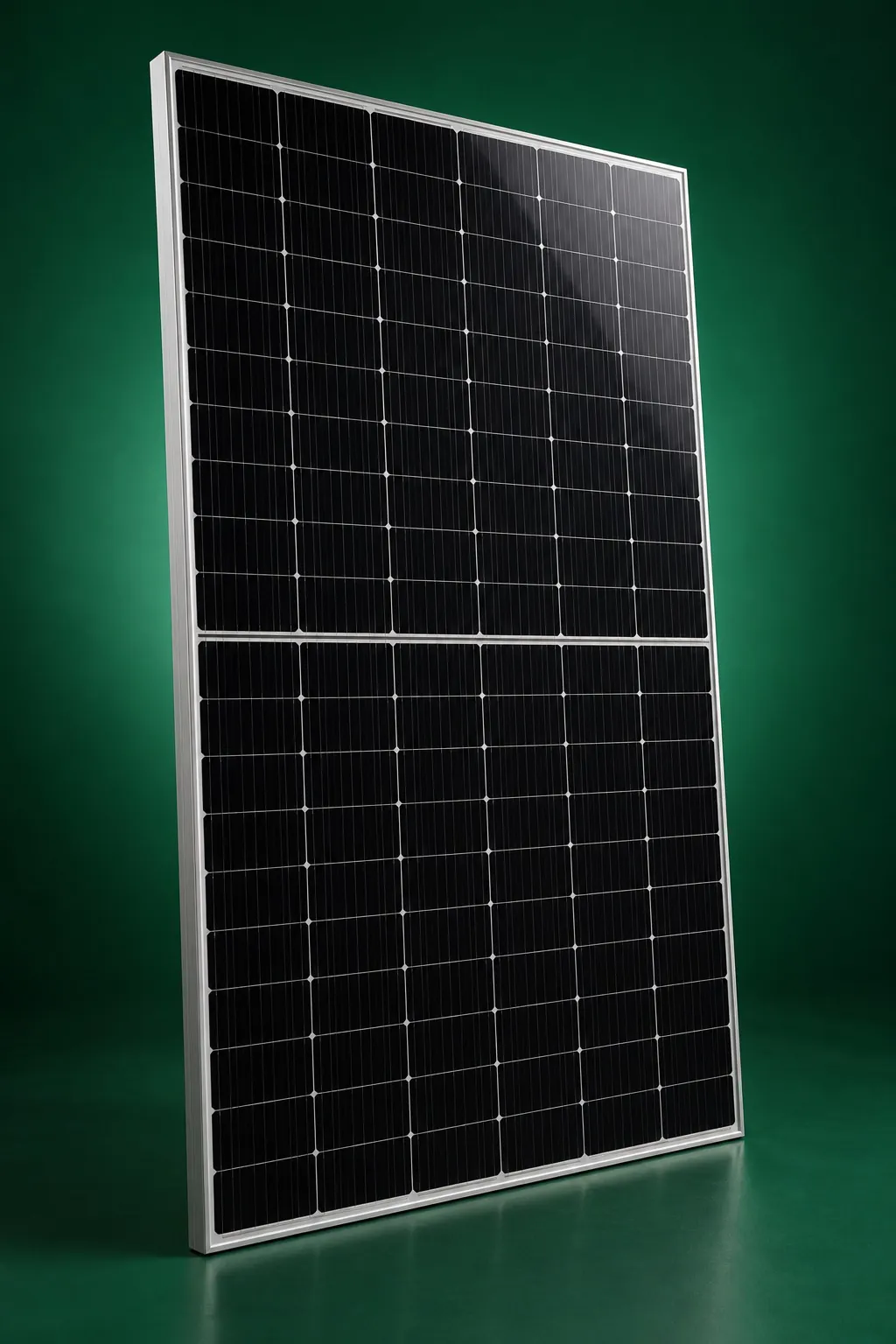
Which solar panels does Emerald use?
Tier-1 monocrystalline half-cut modules: Mono PERC (540–555 Wp) for homes and TOPCon bifacial (575–590 Wp) for maximum yield. They are BIS / IEC 61215 and IEC 61730 certified and ALMM listed (required for the subsidy), with a 12-year product warranty and 25–30-year linear performance warranty. Brand and wattage are confirmed at quotation based on availability and site design.
13.
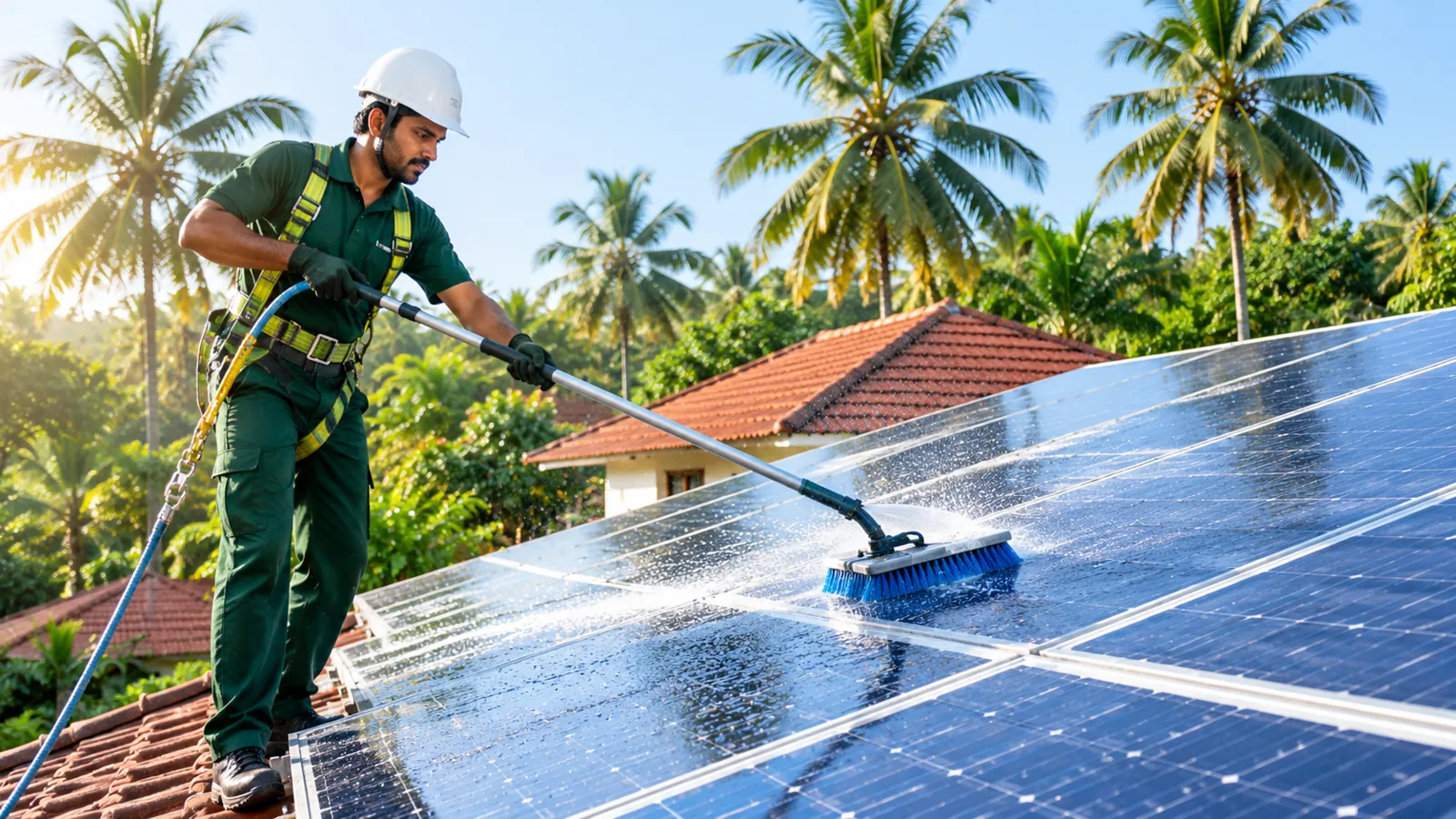
How do I maintain a rooftop solar plant?
Rinse the panels with plain water every few weeks to remove dust, leaves and bird droppings (no detergents or abrasive brushes), and keep the area around them free of shade from new growth. Emerald Care offers app-based performance monitoring, preventive health checks of modules, wiring and earthing, professional cleaning and warranty claim support.
15.
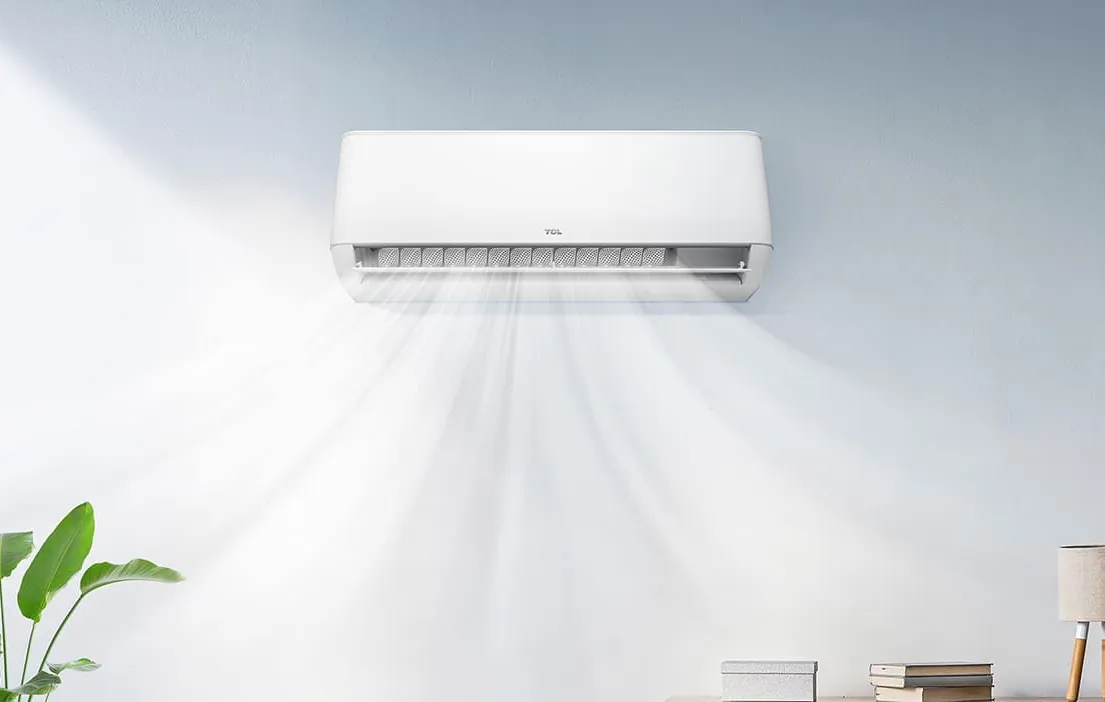
Can rooftop solar run my air conditioner?
Yes. A 1.5 ton 3-star inverter AC used 8 hours a day needs about 134 units a month, only 38% of a 3 kW plant's output. A 5-star AC uses about 20% less. Solar powers the AC directly while it runs during the day, and setting it at 24–26°C saves even more.
17.
How long does installation take?
Physical installation of a home system usually takes one to two days once materials are on site. The full process (survey, design, KSEB feasibility, installation, net-meter installation and commissioning) depends on KSEB section office timelines; we track every step for you.
19.
Which areas does Emerald serve?
Emerald Enterprises is based in Aroor, Alappuzha, and offers free site visits across Kerala and South India. We are ISO certified and a registered service provider for ANERT and Suchitwa Mission Kerala.
02.
How much subsidy is available for rooftop solar under PM Surya Ghar?
For residential grid-connected rooftop solar, the PM Surya Ghar: Muft Bijli Yojana gives ₹30,000 per kW for the first 2 kW and ₹18,000 for the third kW, capped at ₹78,000. So 1 kW gets ₹30,000, 2 kW gets ₹60,000 and 3 kW or more gets ₹78,000. The subsidy is credited to your bank account after commissioning and inspection, as per prevailing government norms.
04.
How many units does 1 kW of solar generate in Kerala?
About 3.9–4 units a day on average, or roughly 117–120 units a month and 1,400 units a year. Generation is highest from January to May and lower during the monsoon; the annual average already accounts for cloudy and rainy days.
06.
What is the payback period of rooftop solar?
At ₹7 a unit, residential plants pay back in about 4.1 years (3 kW), 4.8 years (5 kW) and 5.3 years (7 kW), equal to a simple annual return of 19–24%. Panels carry a 25–30-year performance warranty, so you enjoy 20 or more years of near-free power after payback. Commercial plants typically pay back in 3–5 years with accelerated depreciation.
08.
Will my solar system work during a power cut?
An on-grid system shuts down during a power cut for the safety of line workers. A hybrid or off-grid system with a battery keeps your chosen loads running automatically.
10.
How much roof space does a solar plant need?
About 100 sq ft of shadow-free roof per kW: roughly 300 sq ft for 3 kW, 500 sq ft for 5 kW and 1,000 sq ft for 10 kW. South-facing, unshaded roofs are best. RCC, sheet and tiled roofs can all be used with the correct galvanised mounting structure.
12.
How long do solar panels last?
Quality panels last 25 years or more and are covered by a 25–30-year linear performance warranty. Output reduces slowly each year, typically well under 1%. Inverters and batteries are covered by their own manufacturer warranties, stated in your quotation.
14.
Can I charge an electric car or scooter with rooftop solar?
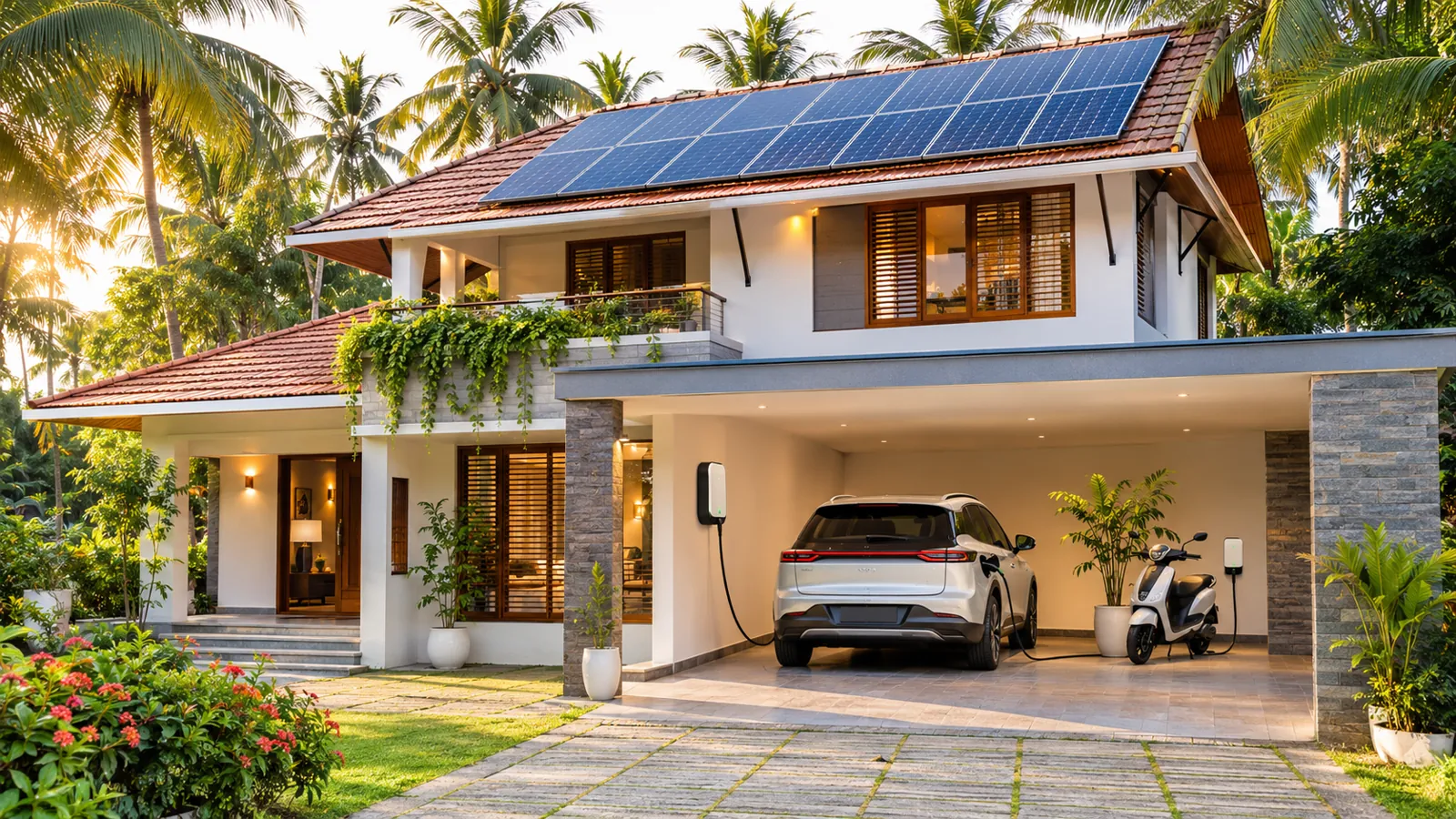
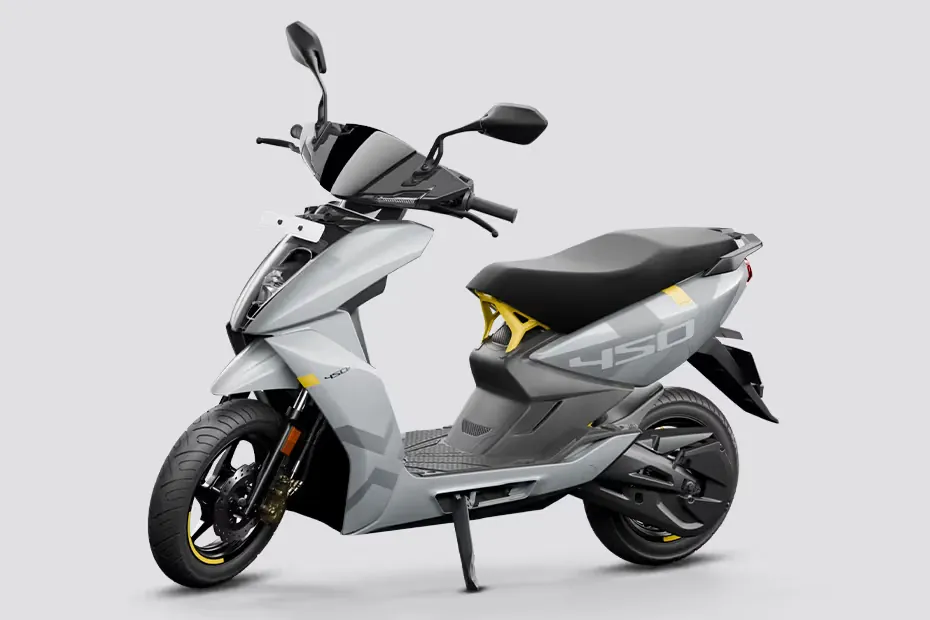
Yes. A 5 kW plant generates about 585 units a month, enough for about 3,510 km of electric car driving if all of it went to the car, while a 3 kW plant could charge an electric scooter around 110 times a month. On-grid systems offset EV charging through net metering; a hybrid system with a battery can charge at night from stored solar.
16.
Can I cook on induction with solar instead of LPG?
Yes. One 14.2 kg LPG cylinder is roughly equal to 138 units of induction cooking. Moving all cooking to induction needs about 93 units a month, 27% of a 3 kW plant, and avoids about ₹7,691 of LPG a year. Savings come from cooking on daytime solar; evening cooking on solar needs a hybrid system.
18.
Do you offer EMI or solar loans?
Yes. Easy EMI and solar loan options are available for rooftop systems. Ask our team when you book your free site visit.
20.
Does solar increase my property value?
A rooftop solar plant lowers running costs for the next 25 years, which makes a home more attractive to buyers and tenants. It also cuts about 1.2 tonnes of CO₂ per kW every year.